Why Sleeve Length Becomes the Obvious Problem After 45
Quick Answer: Sleeve length becomes noticeable after 45 mostly because shoulder and upper-back changes shift where the sleeve starts, not because your arms got longer. A slightly rounder upper back, a lower shoulder line, and a fuller upper arm all pull the sleeve up at the cuff by one to three centimetres. Look for raglan and drop-shoulder cuts, thumbholes, and brands that publish sleeve length rather than only chest and inseam, and check the fit with your arms forward rather than at your sides.
You have been buying tall inseams for twenty years. That part is a solved problem.
Then at some point a long-sleeve training top that used to reach your wrist stops at the bone, and every sleeve you own seems to have moved. Your arms are the same length they were. The starting point moved.
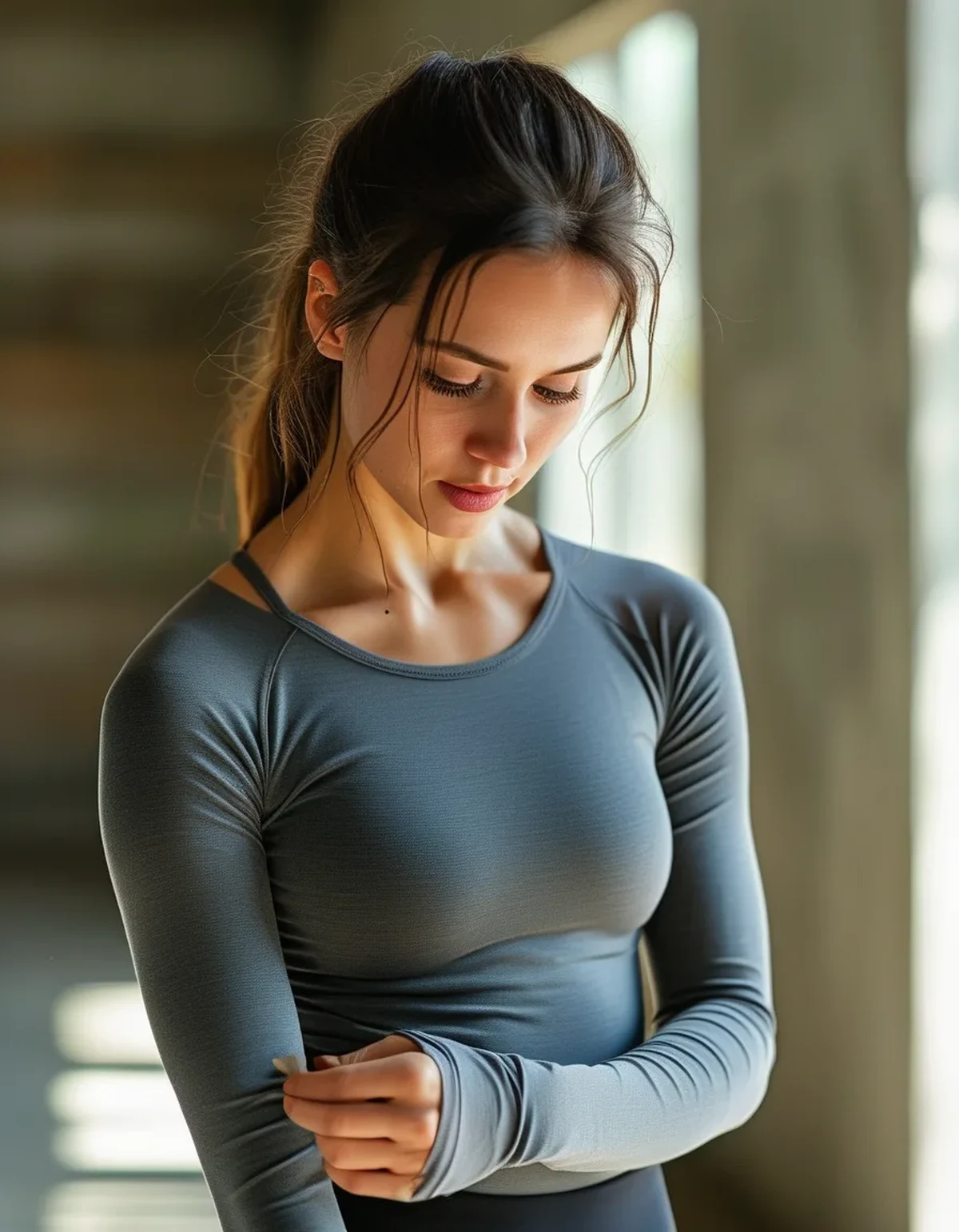
Why does the sleeve get shorter when the arm did not change?
Because sleeve length is measured from a point on the garment, and that point is sitting somewhere new on you.
Three things move the sleeve’s origin:
1. Thoracic rounding. A small increase in upper-back curvature, common from the forties onward and strongly associated with desk work, pushes the shoulder seam forward and slightly up. Every centimetre the shoulder seam travels forward is a centimetre the cuff travels up your forearm.
2. A lower shoulder slope. Shoulder slope tends to increase gradually with age as the surrounding musculature changes. Garments are drafted for a standard slope, so on a steeper slope the shoulder seam falls outward, the armhole drops, and the sleeve appears shorter relative to the wrist.
3. Upper-arm circumference. A fuller upper arm consumes sleeve length, because the fabric has to travel around before it travels down. In a fitted technical sleeve with limited stretch, a 2cm increase in bicep circumference can pull the cuff up by more than a centimetre.
Why it shows up suddenly rather than gradually. These changes are slow, and the cuff position crosses a visible threshold all at once, the point where it stops covering the wrist bone. Below that threshold nobody notices. Above it, every top looks wrong.
A useful check: stand normally and have someone photograph you from the side. If your ear sits noticeably forward of your shoulder, the sleeve problem is at least partly postural, and it is partly addressable.
How do you measure whether a sleeve will actually work?
Two numbers, and a test that matters more than either.
Measurement 1, centre back to wrist. From the bony bump at the base of your neck, across the shoulder, down the outside of a slightly bent arm to the wrist bone. This is how most brands that publish sleeve length define it. Average for women is around 76 to 79cm. Tall frames commonly run 81 to 86cm.
Measurement 2, shoulder point to wrist. From the outer edge of the shoulder down the arm. Useful when a brand lists sleeve length separately from the yoke.
The test that matters more: arms forward. Stand, reach both arms straight in front of you at shoulder height, and look at the cuffs. This is the position of almost every activity that matters, from driving to pressing a barbell to pushing a shopping trolley. Sleeves that reach at your sides and retreat 5cm when you reach forward will feel short all day, and the cause is armhole and back width rather than sleeve length.
A rule that saves returns: if a brand publishes only chest and length, sleeve fit is a gamble. Brands that publish sleeve length are telling you they drafted for it.
On the thumbhole question. A thumbhole is not only a warmth feature. It anchors the cuff at the hand, so it cannot ride up during movement, and it hides one to two centimetres of shortfall. For tall frames it is the most useful feature in the category and it is worth filtering for.
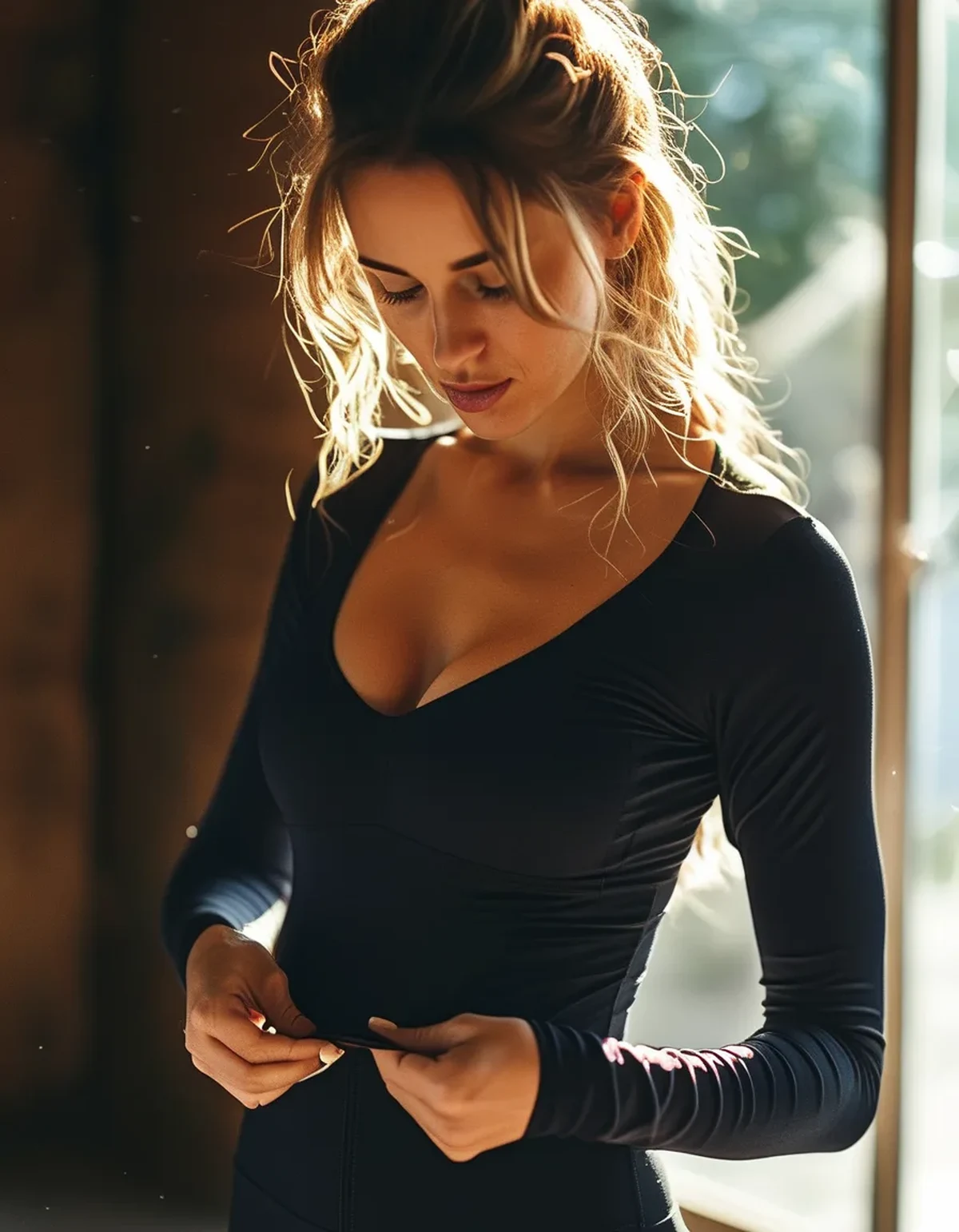
Which cuts actually solve it?
Ranked by how much difference they make on a tall frame with a changed shoulder line.
1. Raglan sleeves. The seam runs from the underarm to the neckline rather than sitting on the shoulder point, so there is no fixed shoulder seam to be in the wrong place. Raglan tolerates variation in shoulder slope better than any other construction, and it is the most reliable choice if your shoulder line has changed.
2. Drop shoulder. The seam sits deliberately below the shoulder point, which makes its exact position much less critical. The tradeoff is bulk under a jacket and a looser fit through the upper arm, which some people prefer and some do not.
3. Set-in sleeves with a tall-specific draft. The best fit when the brand actually drafts for it, and the worst when the brand simply lengthens a standard pattern. The difference is whether the armhole depth was adjusted too. If the armhole is standard and only the sleeve is longer, the sleeve will still ride up when you reach.
4. Two-piece sleeves. Common in tailoring, rare in activewear, and worth knowing about for jackets. A two-piece sleeve is drafted with a built-in forward curve that follows the natural resting angle of the arm, which improves both length and comfort.
What to avoid: rigid fitted set-in sleeves in low-stretch woven fabric, and anything with a cuff detail that adds bulk without adding length. Ribbed cuffs are the most common offender, since they contract and pull the sleeve up by a centimetre or more after a few washes.
What Nobody Tells You About Sleeve Fit After 45
Sleeve length and armhole depth are a package. Lengthening one without the other produces a sleeve that measures correctly and behaves badly. This is why some tall ranges feel transformative and others feel like the same garment with extra fabric at the wrist.
Ribbed and elasticated cuffs shrink first. They contract with washing and heat more than the body fabric does, so a top that fit at purchase reads short within a season. Wash cold and skip the dryer for anything where the cuff position matters.
Fabric recovery affects apparent length. A sleeve in fabric with poor recovery stretches through wear, sits longer by the end of a session, and returns short after washing. The complaint of sleeves being inconsistent is often a recovery issue rather than a sizing one.
Layering multiplies the shortfall. Each layer sits on the one below, and the outer sleeve has to travel further. A base layer that fits and a jacket that fits can still produce a visibly short outer cuff. Buy outer layers with reach-forward room specifically.
Posture work moves the number. Thoracic extension and upper-back strength do not add length to your arm, and they can restore a centimetre or two of shoulder position, which is a centimetre or two of cuff. This is one of the rare fit problems where an exercise has a measurable effect on how clothes sit.
Men’s sizing is a legitimate workaround, with caveats. Men’s small and extra small in technical long sleeves frequently offer more sleeve length than women’s large, and they come with a wider shoulder and a straighter body. For training tops where fit through the waist matters less, it is worth trying.
Alterations are cheap in the wrong direction only. Shortening a sleeve is easy and inexpensive. Lengthening one is usually impossible, since there is rarely enough seam allowance at the cuff. Buy long when in doubt.
Seasonal note: the transition into autumn is when this problem becomes visible again, because you move from short sleeves back into long ones and layering resumes. If you are auditing your long-sleeve tops this month, do it with the reach-forward test rather than at your sides, and be ruthless. A sleeve that is short in September will be worse in January under a jacket.
FAQ: Tall Sleeve Length Questions, Answered
Why do my sleeves seem shorter than they used to be?
Usually because the shoulder seam has shifted, not because your arms changed. Increased thoracic rounding, a steeper shoulder slope, and a fuller upper arm all pull the cuff up by one to three centimetres in total.
What sleeve construction is best for tall women over 45?
Raglan, because there is no fixed shoulder seam that has to land in exactly the right place. Drop shoulder is the second choice. Set-in sleeves work well only when the brand adjusted armhole depth as well as sleeve length.
Is a thumbhole worth looking for?
Yes, for tall frames specifically. It anchors the cuff at the hand so the sleeve cannot ride up during movement, and it visually covers one to two centimetres of shortfall.
TL;DR:
- Sleeves feel shorter after 45 because the shoulder seam moved, not because your arms did.
- Measure centre back to wrist, then test with your arms reaching forward, which is the position that actually matters.
- Raglan and drop-shoulder cuts tolerate a changed shoulder line far better than set-in sleeves.
- Ribbed cuffs shrink first, so wash cold and skip the dryer where cuff position matters.
Run the reach-forward test on your three most-worn long-sleeve tops this week. It explains more than a size chart will.
Keep Reading
This article is for general informational and styling purposes only. Fit, sizing, and product availability may vary.